
Emergency Preparedness Plan
Risk Assessment (Alisa Antonyan)
Risk mitigation involves planning and allocating resources to reduce potential harm to people and property. Decisions regarding risk mitigation are made by Haik Antonyan, the designated person in charge.
Risks to consider include:
- Community health threats
- SARS (Severe Acute Respiratory Syndrome)
- Influenza A (pandemic)
- Tuberculosis (TB)
- Hurricanes
- Tornadoes
- Floods
- Lightning
- Wind damage
- Solar storms
- Terrorist attacks
- Arson, bombing, and sabotage
Evacuation (Doug Fenske)
- Direct all students and personnel to designated exits.
- Follow all building emergency announcements.
- Contact emergency response services based on the situation.
- Ensure the premises are fully cleared of all students and personnel.
- The person in charge will lead everyone to the designated meeting location outside the premises.
- Account for all students and staff upon arrival at the designated meeting location.
Emergency Procedures
In the event of a criminal incident or emergency, staff and students will be immediately notified via the building intercom system, with loudspeakers placed throughout accessible areas of the building.
All emergencies must be reported immediately to a staff member or the front desk. In the event of a fire, students must evacuate the building calmly and in an orderly manner to ensure the fastest and safest exit. In the event of an earthquake, students and staff should take shelter under a desk or table until it is safe to exit the building.
AMSC College will initiate its emergency notification system without delay while prioritizing the safety of students and faculty. If the emergency is large in scale, information will be promptly communicated to local police and fire departments via phone or email.
The building in which AMSC College operates conducts both announced and unannounced emergency drills annually. All tenants are required to participate. Drill dates are communicated via email and phone, and building management documents all drills, including dates, times, and outcomes, for compliance purposes.
AMSC College does not control the property in which it operates and does not provide on-campus or off-campus housing. Therefore, certain Clery Act and HEA housing-related regulations may not apply.
This Emergency Preparedness Plan outlines procedures designed to protect students and staff before, during, and after emergencies, including both natural and man-made disasters.
Lockdown Procedures
If a threat exists on campus, lockdown procedures may be implemented.
AMSC College shares a building with multiple tenants, and security is managed by building administration, which maintains unarmed security personnel on-site during business hours.
Regular drills are conducted to ensure that students, faculty, and staff are familiar with emergency procedures. Understanding and following lockdown procedures is essential for maintaining safety.
Faculty and Staff Responsibilities
- Lock all doors and windows immediately. If a door cannot be locked, block it with heavy objects.
- Do not open doors or windows unless instructed by authorized personnel.
- Verify identification before allowing entry.
- Turn off lights and close blinds or curtains.
- Instruct students to stay low and away from doors and windows.
- Keep all students inside the classroom.
- Silence phones and electronic devices.
- Clear hallways, bathrooms, and unsecured areas.
- Account for all students present.
- Assist individuals with special needs.
- Remain in lockdown until an official “all clear” is given.
Student Responsibilities
- Report any unusual activity to faculty or staff immediately.
- Remain calm, quiet, and alert.
- Follow all instructions.
- Use mobile devices only in emergencies or when instructed.
Communications (Alisa Antonyan)
Communication during and after an incident will follow these procedures:
- Notify the designated person in charge immediately.
- Inform senior management.
- A designated individual will contact affected persons via phone or text message.
Media Relations (Haik Antonyan)
- The designated person in charge will serve as the sole point of contact for the media and law enforcement agencies.
Training and Preparedness (Doug Fenske)
Students, faculty, and staff are trained to respond to emergencies such as fires, floods, hurricanes, tornadoes, lightning, wind damage, solar storms, explosions, arson, sabotage, and terrorist threats.
Training includes:
- Access to emergency preparedness and academic continuity plans
- Opportunities for feedback via email or in person
- Tabletop exercises and emergency simulations
The Emergency Preparedness Plan is publicly available and shared to ensure awareness and readiness across the campus community.
Instructional Continuity Plan
Increasing frequency and severity of emergencies have emphasized the importance of maintaining academic continuity. While AMSC College has not experienced major disruptions, preparedness remains a priority.
Following the COVID-19 pandemic, AMSC College adopted a hybrid learning model, with approximately 65% of coursework delivered online. This allows flexibility in maintaining instruction during disruptions.
If in-person laboratory instruction is impacted, courses may temporarily transition to a fully online format where appropriate.
Potential disruptions include:
- Limited access to facilities or technology
- Public health emergencies
- Local disasters affecting campus operations
Decisions regarding academic and operational continuity are made by the Campus Director or Associate Director, with the goal of protecting the campus community and restoring normal operations as quickly as possible.
Community Preparedness
All students are required to follow CDC guidelines for infection control, including proper hand hygiene and standard precautions. Classrooms are equipped with hand sanitizer, and handwashing guidelines are visibly posted.
Emergency preparedness is a shared responsibility. Individuals are expected to respond appropriately both independently and as members of the AMSC College community.
Individual Preparedness
General Health Guidelines
- Avoid contact with individuals who are ill.
- Avoid touching your face with unwashed hands.
- Wash hands frequently with soap and water for at least 20 seconds.
- Use hand sanitizer when soap is not available.
- Cover coughs and sneezes with a tissue or sleeve.
- Do not attend classes if you are experiencing symptoms of illness.
Hazard Identification
The assessment team identifies potential hazards and evaluates which pose the greatest risk to the institution. External resources, including local emergency management agencies, may be consulted.
Each hazard is evaluated based on:
- Frequency
- Severity
- Location
- Geographic extent
- Duration
- Seasonal patterns
- Speed of onset
- Availability of warning systems
A risk matrix is used to prioritize hazards based on likelihood and impact.
Vulnerability and Response Assessment
The institution evaluates vulnerabilities in infrastructure, operations, and environment, including:
Structural Hazards
- Weak roofing or structural components
- Exposure to flooding or high winds
- Unreinforced materials
- Unsafe windows
Maintenance Hazards
- Exposed wiring
- Wet floors
- Unsecured equipment
- Blocked exits
- Fire hazards
Grounds Hazards
- Poorly maintained outdoor areas
- Exposed utilities
- Unsafe structures
Prevention and Mitigation Actions
Recommended actions include:
- Installing access control systems
- Improving building structures
- Securing equipment and furnishings
- Enhancing communication systems
- Upgrading security technology
- Coordinating with local emergency services
- Updating building designs and safety standards

Train for a Real Career in Healthcare. Start at AMSC.
Are you a high school graduate or have a GED?
We're here to help you start your successful career in healthcare. Whether you want to learn about our programs, financing options, start dates, post-graduation employment opportunities, or just come by and tour our campus in downtown Glendale. Please provide your information and one of our counselors will call you*.
- Small-Group, Hands-On Lab Training with modern ultrasound equipment.
- Flexible Blended Schedule combining online lectures with on-campus labs.
- Accredited Ultrasound Degrees (AAS & Bachelor of Health Sciences options).
- Federal Financial Aid (grants & student loans) available for those who qualify.
- Lifetime Career Services with personalized job search and placement support.
Schedule a call with Admissions

Our Affiliations & Accreditations
AMSC College has been serving the Glendale and Greater Los Angeles areas for over 30 years as an accredited higher education institution.


This school is authorized under Federal law to enroll nonimmigrant alien students.
Campus News
Read about recent campus celebrations, academic features, and career advice.

AMSC Featured in Crescenta Valley Weekly
We’re proud to share that AMSC was recently featured in Crescenta Valley Weekly for our participation in the...
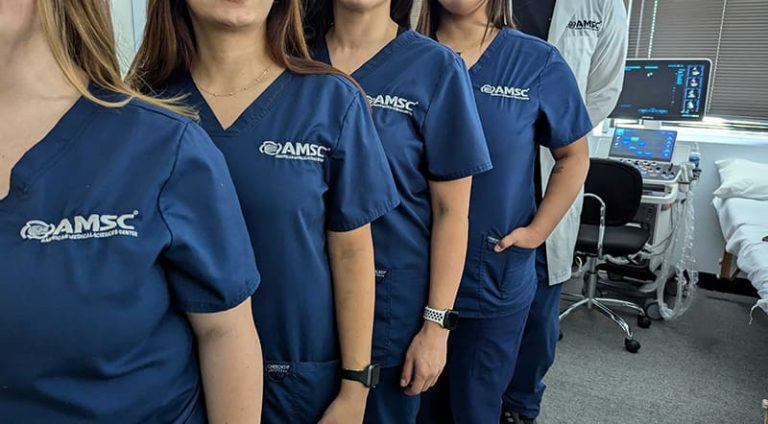
Vascular vs. Echo Scanning: What’s the Difference?
Thinking about studying sonography? Here’s a simple guide to two exciting paths you can take! If you’re considering...
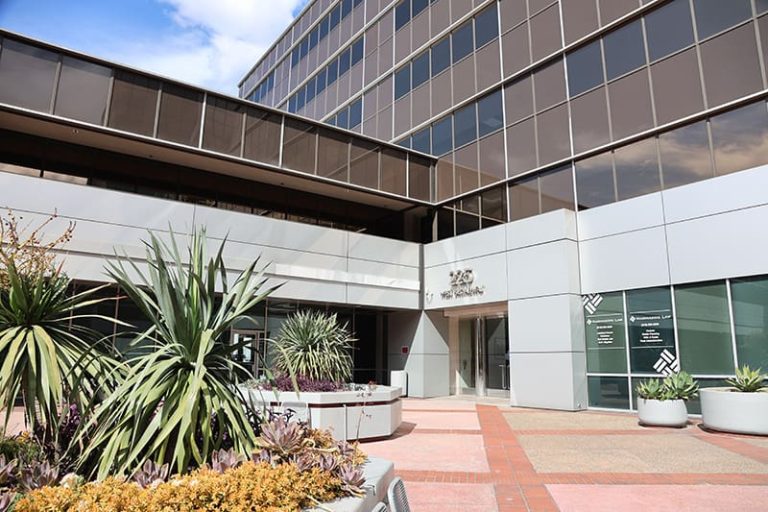
How Your Sonography License Opens Doors Nationwide
Start in California, Go Anywhere: How Your Sonography License Opens Doors Nationwide Thinking about a career in Diagnostic...